My cart
Subtotal
$0.00
Total
$0.00
Key Learning Outcomes
Why This Course?
Participants often face:
- Uncertainty around new tax law provisions
- Risk of incorrect application of legislative changes
- Limited time to review lengthy legislative texts
- Pressure to remain CPE-compliant while staying current
This course addresses these challenges by offering a focused, instructor-led breakdown of OBBBA changes relevant to federal income tax preparation.

One Big Beautiful Bill Act (OBBBA)
Understand the structure and intent of the One Big Beautiful Bill Act (OBBBA

income tax changes affecting 2025–2026 filings
Identify key income tax changes affecting 2025–2026 filings.
Apply updated rules when preparing federal income tax returns

Tax Optimization
Reduce compliance risk by recognizing areas of change requiring attention.
Enter the 2026 tax season with clarity and preparedness
Detailed Program Content
Overview of the One Big Beautiful Bill Act (OBBBA)
- Legislative background and scope.
- Effective dates relevant to upcoming filings
Income Tax Preparation Changes for 2025–2026
- Key updates affecting federal income tax returns
- Areas of change practitioners must address during preparation
Practical Application for Tax Professionals
- How changes impact day-to-day tax preparation work
- Common considerations and compliance focus areas
Register your slot now!
TRAINER
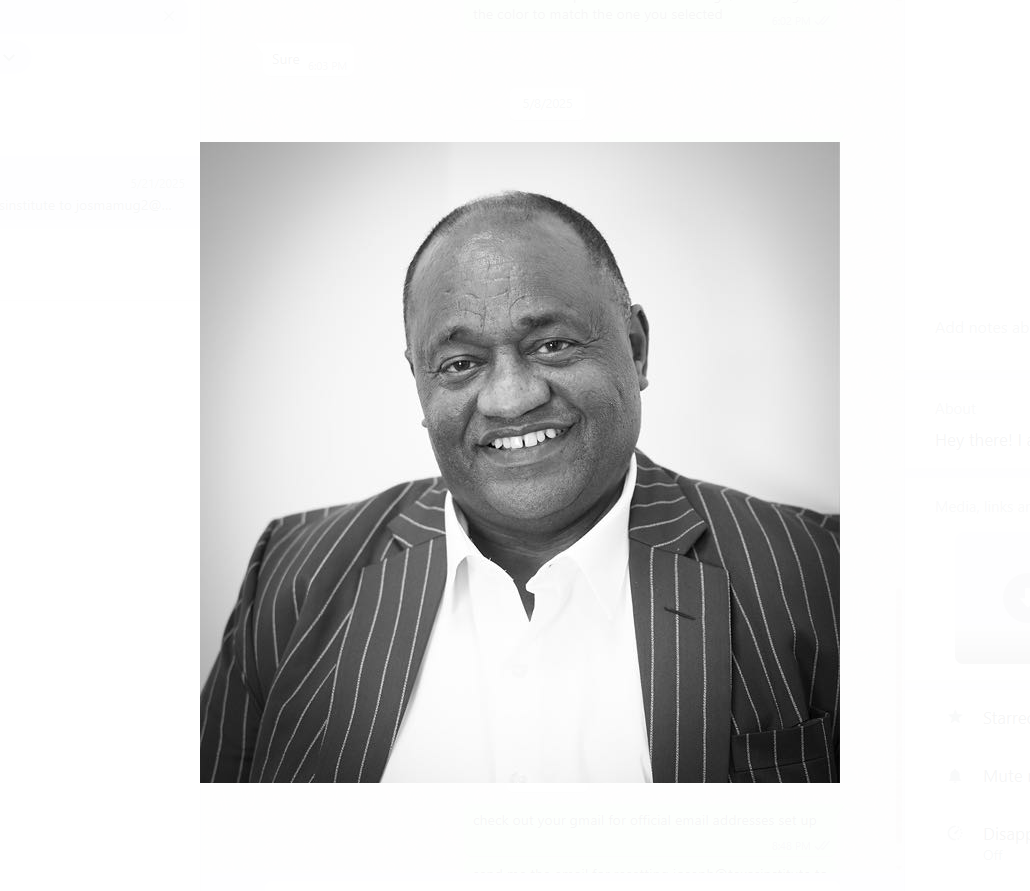
Dr. Tefera Tibebu Beyene, PhD, MBA, CPA, CBA, CGMA, MCSI, CWM®, Ch.E.
Dr. Beyene has over 25 years of extensive experience in management, accounting, finance, and taxation, gained through roles in corporate, government, and international settings. His expertise in tax accounting and the structuring of complex financial instruments was honed during his time with the State of Illinois Department of Revenue and the IRS Financial Products Specialists division.
In addition to his practical experience, Dr. Beyene is an accomplished academic, serving as an adjunct professor at numerous universities, including UCLA, APU, STU & PSU, where he teaches accounting, tax, finance, and economics courses. He is also involved with the American Academy of Financial Management (AAFM), where he teaches and serves as a chief nominator for North America and Africa.
Dr. Beyene holds a PhD in Applied Management & Decision Sciences with a concentration in Accounting, as well as an MBA with dual concentrations in Accounting & Finance. He is a licensed Certified Public Accountant in Illinois, Maryland, Virginia, and the District of Columbia. He is a fellow and member of the AAFM and holds the Certified Chartered Economist and Chartered Wealth Management certifications. Furthermore, he is a chartered member of the Chartered Institute for Securities & Investment (UK). His professional affiliations also include the AICPA, AAA, and NACM, where he holds the Credit Business Associate certification.
Dr. Beyene is also an author, having written “Personal Finance Demystified” and co-authored “Financial Markets, Institutions & Regulations, Money, Capital, & Derivative Markets.
Got Question?
We've got answers
In your freelancing journey, you likely have many questions and concerns. Our goal is to help you navigate through them, which is why we've compiled answers to the most common questions. Whether you need insights on budgeting, taxes, or financial planning, our comprehensive FAQ section is here for you. If you don’t find your question listed, feel free to ask us—we’re here to assist you!
What are the best budgeting practices for freelancers?
Freelancers should track all income and expenses meticulously. Consider using budgeting apps or spreadsheets to categorize expenses and set financial goals. Aim to save a portion of your income each month to cover lean periods.
How do I handle taxes as a freelancer?
As a freelancer, you are responsible for reporting your income and paying taxes. It's essential to keep detailed records of your earnings and expenses. You may want to consult a tax professional to understand your obligations and maximize deductions.
What should I include in my financial plan?
A comprehensive financial plan for freelancers should include budgeting, savings goals, retirement planning, and an emergency fund. Additionally, consider setting aside money for taxes and investing in professional development.
How can I manage irregular income?
Managing irregular income involves creating a buffer. Set aside a portion of your earnings during high-earning months to cover expenses during leaner times. Building an emergency fund can also provide stability and peace of mind.
What are the advantages of having a separate business account?
Having a separate business account helps streamline your finances by keeping personal and business expenses distinct. This makes it easier to track income, manage cash flow, and prepare for taxes, reducing the risk of financial confusion.
Unlock Your Path to a Dream Home
Discover the Secrets of Successful DIY Renovations
...ARE YOU READY TO TRANSFORM YOUR SPACE?!

Contact Us
Texas Institute of Finance
Email: [email protected]
Tel: +1 254-272-2777
1846 E. Rosemead Pkwy #1139
Carrollton, TX, 75007
Website: www.TexasInstituteofFinance.com